
Responsible & Ethical Travel in Sri Lanka: Supporting Conservation, Communities, and Sustainable Tourism
Understanding Responsible Travel in Sri Lanka
Sri Lanka is one of the world’s most beautiful and biologically diverse travel destinations, known for its wildlife, tropical forests, beaches, and rich cultural heritage. However, with increasing tourism, it has become more important than ever for travelers to practice responsible and ethical travel. Responsible travel means making choices that protect the environment, respect local culture, support local communities, and promote animal welfare. By traveling responsibly in Sri Lanka, visitors can help preserve the island’s natural beauty and cultural identity while ensuring tourism benefits local people in meaningful ways.
Ethical tourism is not about limiting travel experiences but about making thoughtful decisions that create positive impacts. Travelers who support sustainable tourism help protect wildlife, conserve natural ecosystems, and strengthen local economies.
Supporting Wildlife Conservation and Ethical Elephant Experiences
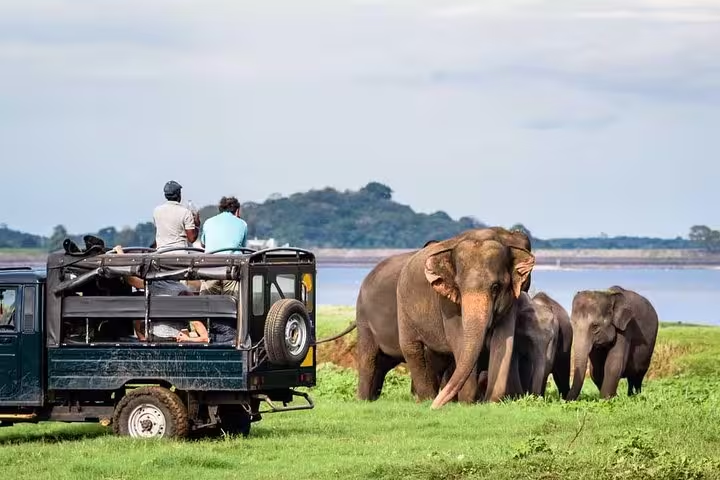
Sri Lanka is famous for its elephants, which are considered a national treasure and an important part of the country’s wildlife heritage. However, it is essential for travelers to choose ethical wildlife experiences that prioritize animal welfare. Visiting national parks such as Udawalawe, Yala, and Minneriya allows travelers to observe elephants in their natural habitat without disturbing their behavior. These parks protect wild elephant populations and promote conservation efforts.
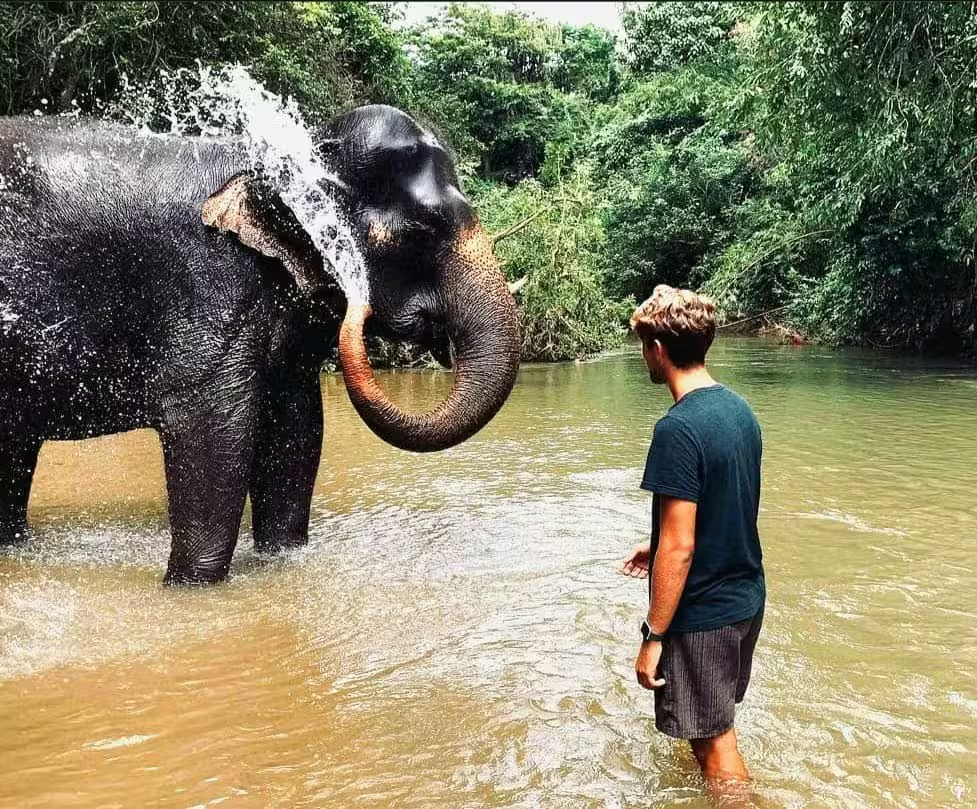
Ethical elephant sanctuaries focus on rehabilitation, conservation, and protection rather than entertainment. Responsible travelers should avoid places that offer elephant riding, performances, or unnatural interactions. Instead, ethical sanctuaries allow visitors to observe elephants freely and learn about conservation efforts. Supporting ethical wildlife tourism helps protect elephants and ensures their well-being for future generations.
Promoting Community-Based Tourism and Local Experiences
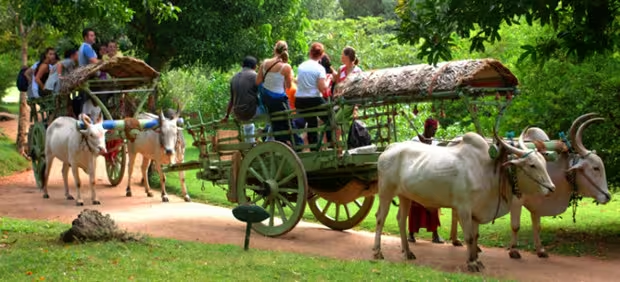
Community-based tourism is one of the most effective ways travelers can support local communities in Sri Lanka. Staying in locally owned guesthouses, homestays, and eco-lodges allows travelers to contribute directly to local economies. These accommodations provide authentic cultural experiences while ensuring tourism income benefits local families.
Visiting rural villages and participating in local activities allows travelers to learn about traditional lifestyles, farming practices, and cultural traditions. Community tourism experiences may include village tours, traditional cooking demonstrations, and handicraft workshops. These activities create meaningful connections between travelers and local communities while preserving cultural heritage.

Supporting Local Artisans and Traditional Handicrafts
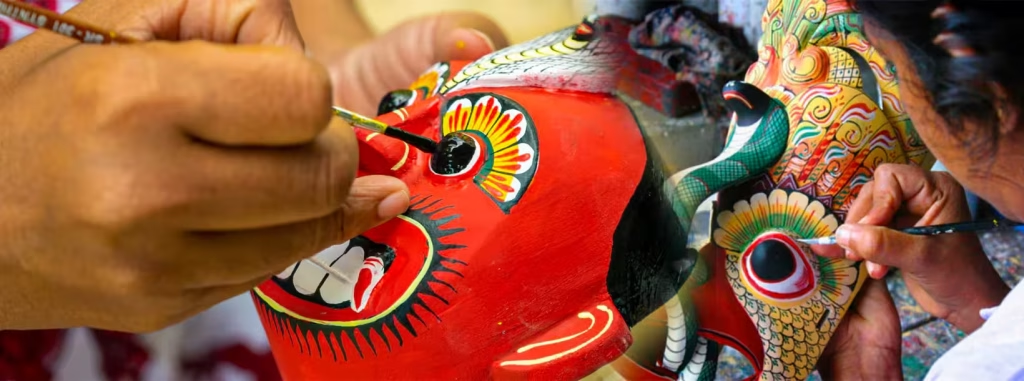
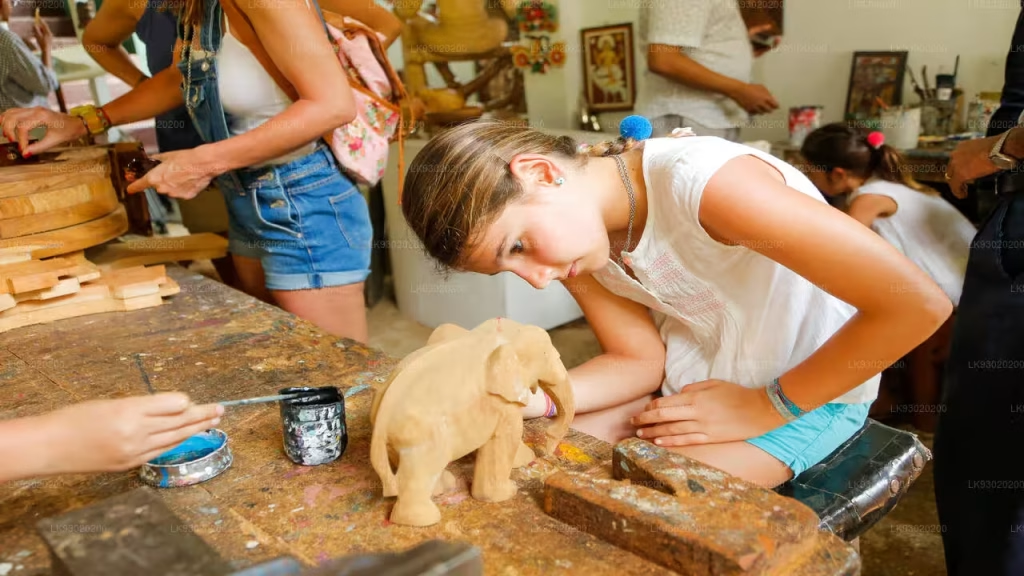
Sri Lanka has a rich tradition of handicrafts, including wood carving, pottery, weaving, and handmade jewelry. These crafts are an important part of the country’s cultural identity and provide income for many local artisans. Travelers can support local communities by purchasing handmade products directly from artisans and local markets instead of mass-produced souvenirs.
Buying locally made handicrafts helps preserve traditional skills and ensures artisans receive fair compensation for their work. Visiting artisan workshops also allows travelers to see how these crafts are made and understand their cultural significance. Supporting local artisans helps sustain traditional industries and promotes cultural preservation.
Protecting Sri Lanka’s Natural Environment and Ecosystems
Sri Lanka is home to diverse ecosystems, including rainforests, coral reefs, and national parks. Responsible travelers can help protect these environments by minimizing their environmental impact. Avoiding plastic waste, respecting wildlife habitats, and following park regulations are important steps in protecting natural ecosystems.
When visiting beaches, forests, or national parks, travelers should avoid leaving trash and respect local conservation guidelines. Choosing eco-friendly accommodations that use sustainable practices also helps reduce environmental impact. Many eco-lodges in Sri Lanka focus on conservation, renewable energy, and waste reduction, providing environmentally responsible accommodation options.
Respecting Local Culture and Traditions
Sri Lanka has a rich cultural heritage shaped by centuries of history, religion, and tradition. Responsible travelers should respect local customs, dress modestly when visiting temples, and behave respectfully in religious and cultural sites. Understanding local traditions helps create positive interactions between travelers and local communities.
Learning a few local greetings and showing appreciation for local culture can enhance travel experiences and create meaningful connections. Respectful travel ensures that tourism supports cultural preservation rather than disrupting traditional ways of life.
Choosing Sustainable and Ethical Travel Services
Travelers can support responsible tourism by choosing tour operators and travel services that follow ethical and sustainable practices. Ethical tour operators prioritize environmental protection, fair wages for employees, and respect for wildlife. Supporting these businesses encourages responsible tourism development.
Using local guides also helps support the local economy while providing travelers with valuable knowledge about Sri Lanka’s culture, history, and natural environment. Local guides offer authentic insights and help travelers understand the importance of conservation and cultural preservation.
Creating Positive Impact Through Responsible Travel
Responsible and ethical travel in Sri Lanka allows visitors to experience the island’s beauty while contributing to its preservation. By supporting local communities, respecting wildlife, protecting natural environments, and promoting sustainable tourism, travelers can create positive impacts that benefit both people and nature.
Sri Lanka offers incredible opportunities for meaningful travel experiences that go beyond sightseeing. Responsible travelers help protect the island’s wildlife, preserve cultural traditions, and support local livelihoods. These actions ensure that Sri Lanka remains a beautiful and sustainable destination for future generations.
Traveling responsibly in Sri Lanka is not only beneficial for the environment and local communities but also creates deeper and more meaningful travel experiences. By making ethical travel choices, visitors can explore Sri Lanka while helping protect its natural and cultural heritage.