
Sri Lanka’s Colonial Heritage Routes: Exploring Dutch, Portuguese & British Trails Beyond Galle

Discovering Sri Lanka’s Colonial Legacy Through Historic Routes
Sri Lanka’s rich history has been shaped by centuries of colonial influence, particularly from the Portuguese, Dutch, and British. These colonial powers left behind a remarkable legacy of forts, settlements, churches, tea estates, and administrative buildings that continue to stand as cultural and architectural landmarks today. While Galle Fort is the most famous colonial site, there are many lesser-known destinations across the island where travelers can explore authentic colonial heritage without the crowds. From coastal forts in Mannar and Trincomalee to the cool hill country tea estates built by the British, Sri Lanka offers a fascinating journey through time for travelers interested in history, architecture, and culture.
Discovering Sri Lanka’s Colonial Legacy Through Historic Routes
The Portuguese were the first European colonial power to arrive in Sri Lanka in 1505, establishing trading posts and military forts along the coast. Their primary goal was to control the island’s valuable spice trade, particularly cinnamon. Although many original Portuguese structures were later modified or rebuilt by the Dutch and British, their influence remains visible in several coastal regions. Mannar is one of the most historically significant locations where Portuguese presence can still be felt. The Mannar Fort, later expanded by the Dutch, was originally established during the Portuguese era and served as a strategic base due to its location between Sri Lanka and India. Walking through Mannar today, visitors can explore old churches, colonial street layouts, and quiet coastal surroundings that reflect centuries of European influence. The region offers a peaceful and authentic colonial experience far from busy tourist centers.
Dutch Colonial Heritage: Fortifications and Maritime Power
The Dutch took control of Sri Lanka from the Portuguese in the 17th century and focused on strengthening coastal defenses and expanding trade networks. They built impressive forts, canals, warehouses, and administrative buildings that still exist today. Trincomalee, located on the eastern coast, is home to Fort Frederick, one of the best-preserved colonial forts in Sri Lanka. Originally built by the Portuguese and later reinforced by the Dutch, this fort overlooks one of the world’s finest natural harbors. Visitors can walk through massive stone gateways, explore old military structures, and enjoy scenic ocean views. The surrounding area also includes colonial-era buildings and temples that reflect the island’s diverse cultural history.
Another important Dutch colonial site is the town of Mannar, where visitors can explore not only the fort but also old Dutch churches and cemeteries. These structures showcase the simple yet durable architectural style used by the Dutch, designed to withstand tropical weather conditions. The Dutch also introduced canal systems in parts of Sri Lanka to improve transportation and trade, and some of these canals can still be seen today. These colonial engineering achievements highlight the importance of Sri Lanka as a key trading hub during the colonial period.
British Colonial Era: Tea Plantations and Hill Country Architecture
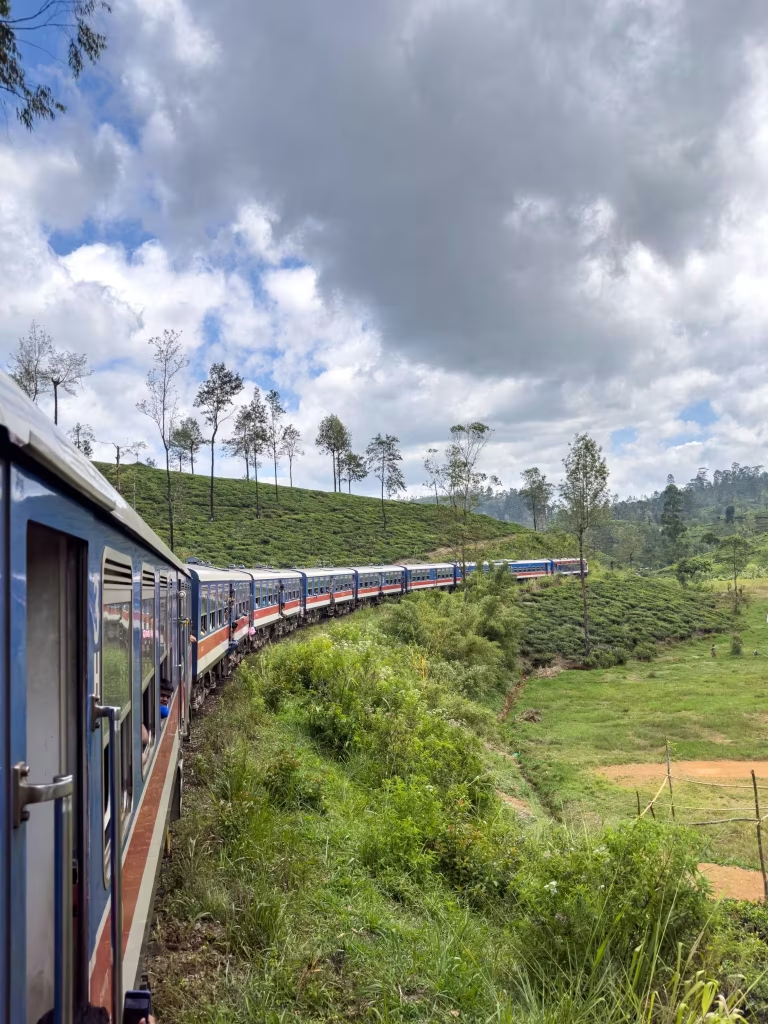
The British colonial period, which began in 1796, had the most lasting impact on Sri Lanka’s infrastructure, economy, and architecture. The British developed extensive tea plantations in the central highlands, transforming Sri Lanka into one of the world’s leading tea producers. Today, destinations like Nuwara Eliya, Haputale, and Ella offer travelers the opportunity to explore colonial tea estates, historic bungalows, and charming hill stations that reflect British influence.
Nuwara Eliya, often called “Little England,” is one of the best places to experience British colonial heritage. The town features colonial-style buildings, old post offices, churches, and government offices that resemble English countryside architecture. Visitors can walk through peaceful tea plantations, visit historic tea factories, and stay in colonial-era bungalows that have been converted into guesthouses. These locations provide a unique opportunity to experience the lifestyle and atmosphere of the British colonial period while enjoying the natural beauty of Sri Lanka’s hill country.
Tea estates such as those in Haputale and Hatton offer guided tours where visitors can learn about tea production, colonial history, and plantation life. These estates often include colonial manager’s bungalows, worker settlements, and scenic landscapes that remain largely unchanged for over a century.
Trincomalee: A Strategic Colonial Port and Cultural Crossroads
Trincomalee played a vital role during the colonial era due to its natural harbor, which was highly valued by European powers. Fort Frederick remains one of the most important historical landmarks in the region, offering visitors the chance to explore colonial military architecture while enjoying stunning coastal views. The area also includes colonial-era churches, administrative buildings, and cultural landmarks that reflect the city’s diverse colonial history. Trincomalee’s unique blend of natural beauty and colonial heritage makes it an essential destination for travelers interested in Sri Lanka’s colonial past.
Mannar: A Hidden Colonial Treasure
Mannar remains one of Sri Lanka’s most underrated colonial heritage destinations. Its quiet streets, historic fort, and colonial churches offer a peaceful and authentic experience. The region’s remote location has helped preserve its historical character, making it ideal for travelers seeking off-the-beaten-path colonial sites. Visitors can explore the fort’s walls, walk along the coastline, and experience a slower pace of life that reflects the island’s historical roots.
Experiencing Colonial Museums and Cultural Landmarks
In addition to forts and tea estates, Sri Lanka offers several museums and preserved buildings that provide insight into the colonial period. These museums display artifacts, documents, and exhibits that explain the island’s colonial history and cultural transformation. Visiting these locations allows travelers to understand how colonial rule shaped Sri Lanka’s architecture, economy, and society.
Many colonial buildings have been carefully preserved and converted into hotels, guesthouses, and cultural centers. Staying in these historic properties allows travelers to experience colonial architecture while enjoying modern comforts. These buildings often feature wooden floors, large verandas, and traditional design elements that reflect colonial architectural styles.
Why Explore Colonial Heritage Routes in Sri Lanka
Exploring Sri Lanka’s colonial heritage routes offers a unique opportunity to travel through history while discovering beautiful landscapes and cultural landmarks. Unlike crowded tourist destinations, places like Mannar, Trincomalee, and the hill country tea estates provide authentic and peaceful experiences. These locations showcase the architectural achievements, cultural influences, and historical significance of the Portuguese, Dutch, and British colonial periods.
Travelers can combine visits to colonial forts, tea plantations, museums, and historic towns to create a meaningful and educational travel experience. These routes not only highlight Sri Lanka’s colonial past but also demonstrate how history continues to shape the country’s identity today.
A Journey Through Sri Lanka’s Colonial Past
Sri Lanka’s colonial heritage routes offer more than just historical landmarks. They provide a journey through centuries of cultural exchange, architectural innovation, and global trade. From coastal forts built by European powers to peaceful tea estates in the mountains, these destinations allow travelers to experience a different side of Sri Lanka beyond its beaches and wildlife.
For travelers interested in history, architecture, and cultural exploration, Sri Lanka’s Dutch, Portuguese, and British colonial trails offer unforgettable experiences. Exploring these hidden heritage routes reveals the island’s rich past and provides a deeper understanding of its unique cultural identity, making it an essential journey for anyone visiting Sri Lanka.